Are Movement Patterns Skills The Secret To Better Performance?
You train your fitness, speed, and pace. But do you ever work on the actual movements of swim, bike, and run? 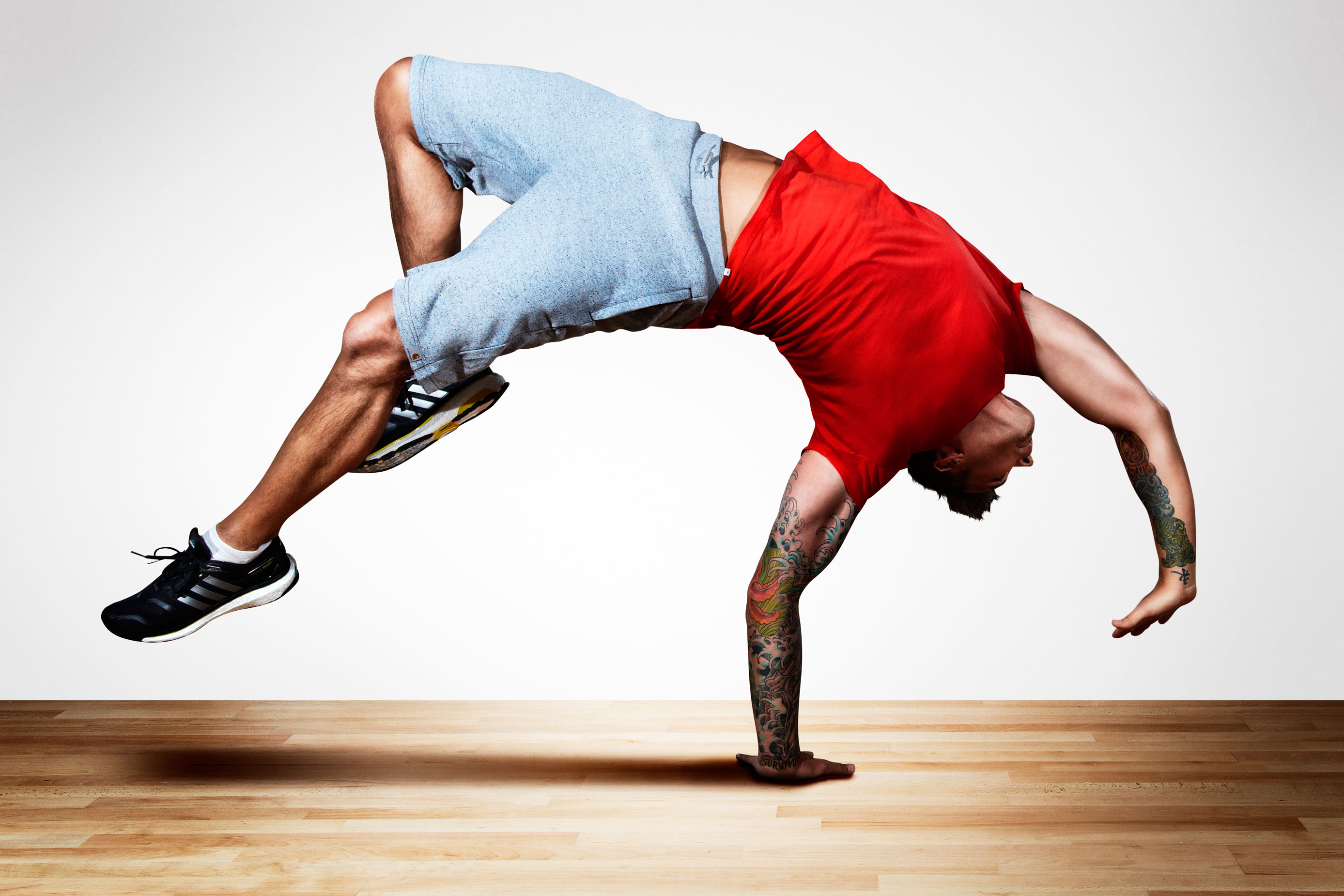
I already know that you train hard. You’re an endurance athlete! And I know that sometimes it seems like there aren’t enough hours in the training week to get the miles in.
But you might be missing an important part of the picture. If you want to optimise your performance (now - and years down the line), look at movement drills.
- What Are Movement Drills?
- Movement drills for endurance athletes identify and works on sub-optimal patterns of movement. They can sometimes feel basic, or even frustratingly ineffective. But I promise they’re not.
- Movement pattern work identifies and retrains functional control of key areas of the body. It also has a powerful effect on the CNS (central nervous system) which is the body’s control system. Movement drills usually focus on the postural stabilising muscles of the core and pelvis, and the muscles and joints of the limbs.
- Why Should We Do Them?
- Anything we can do to improve our performance has to be a good idea. Training movement patterns can make us more efficient. By drilling optimal movement, we improve technique, move better (for less energy expenditure), and reduce the risk of recurring injuries.
- How Does Movement Pattern Work Benefit Us?
- Even the most talented athletes sometimes persist with technique which is far from optimal. Sometimes this is without realising, from habits picked up in training years ago. Or the athlete might know something isn’t right, but isn't willing or able to tackle the issue.
Either way, training and racing with sub-optimal movement patterns is detrimental. Yes, we can continue to function. But we will never perform at our best, and we are at risk of injury. The body is smart, and will compensate for limitations by developing alternatives. It’s a real problem when these alternative movement patterns become habit.
Training movement patterns can help us break poor habits (and replace them with better ones). Or it can prevent the issue from arising in the first place.
When we do regular movement pattern work, we “drill” these movements into our body’s control system (the CNS). This will help when we’re fatigued (at the end of a race), because the CNS will be familiar with optimal movement patterns. We don’t need to think about it.
To me, it’s obvious that movement patterns are important to developing optimal performance. As we practice movement patterns, we encourage the body to move in the most efficient way. And we help our brain to recognise these movements so it can recreate them even when we’re fatigued. So we should all be doing drills, skills, and movement pattern work as part of our training.
Never considered movement drills? Not sure how to get started? Talk to me! I’d love to help.