The Truth About Sugar: Part 2
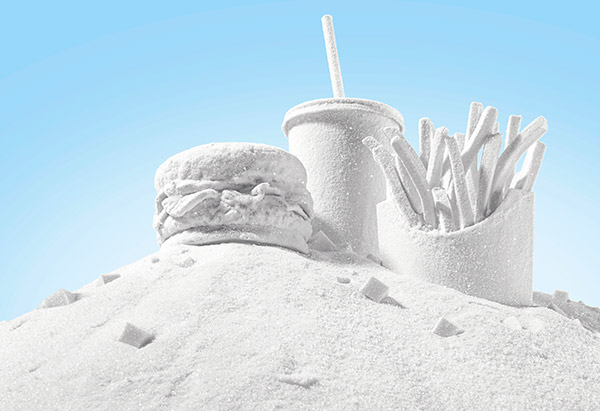
After posting Part 1 of The Truth About Sugar, there has been a huge interest in what Caren Richards had to say in Part 2, so here it is:
Over the past few months I have been making a concerted effort to try to get not only my patients but also my family and friends to cut down on the total sugar they eat. Most have been surprised about both the quantity of sugar that is ‘hidden’ in processed items and the amount of sugar that they sub consciously add to their foods.
A few people that have tried to give up completely have experienced headaches, mood swings and lethargy, all of which are typical symptoms of addiction withdrawal.
So if you are thinking of giving up or at least cutting down here are a few tips that might help:-
1. PREPARATION
Before you start
- Be honest with yourself about how much sugar you are eating
- Write down everything you eat that contains sugar
- Look at the labels of the products you eat, the sugar will be listed as part of carbohydrates, where does the word sugar appear on the ingredient list, if it in the top 4 it is high sugar.
- Beware of processed food a few examples other names for sugar are:- Cane sugar, High fructose corn syrup, Crystalized fructose, Dextrose, Fructose, Glucose, Golden syrup, Honey, Lactose, Maltodextrain, Maltose, Maple syrup, Sucrose.
2. PLANNING
Plan your meals and snacks, aim for three meals and two snacks a day and include protein. For some people, if they don’t eat regularly, their blood sugar levels drop, they feel hungry and are more likely to crave sweet sugary snacks. Keep all tempting sugary snacks out of your home and work place and make sure that you have plenty of healthy alternatives on hand.
3. CRAVINGS
If your diet contains high levels of sugar then it is likely that your body and mind will miss it and you may experience cravings. Firstly identify whether you are actually hungry or whether you have a craving. If it is hunger have a snack containing protein and if you still feel like a sugar hit then try a distraction technique, go for a walk, drink some water, listen to some music. The feeling will pass and it will be easier to ignore the next time!
4. SECRET SUGARS
Look out for sugars in disguise! Refined carbohydrates such as white bread, white pasta and pastries contain simple carbohydrate molecules that are quickly broken down by the body into sugar. So including lots of white bread in your diet is not going to help your sugar consumption.
Examples of foods that often have high levels of ‘hidden’ sugar are breakfast cereals, fruit yoghurts, tomato based sauces, salad dressings, ketchups, chutneys, bread and anything marked as ‘low fat’.
5. SUBSTITUTES
Don’t swap sugar for sweeteners this will not help you in the long run. Try different flavours instead like cinnamon, nutmeg, cloves and cardamom they will naturally sweeten your foods and help to reduce cravings.
6. RELAXXXXX
When we are tired or stressed this is when sugar cravings can be at their worst so build in some time for exercise, relaxation, get a good night’s sleep, stay hydrated and have some healthy snacks on hand.
The good news is that by cutting back on the sugar, even if it just a small amount at a time will have a positive impact on your health.
Thanks to Caren for this great insight into Sugar and its hidden dangers, if you'd like more information on diet and nutrition contact Caren directly via her website or email her at This email address is being protected from spambots. You need JavaScript enabled to view it.