
Sports Injuries and Nutrition
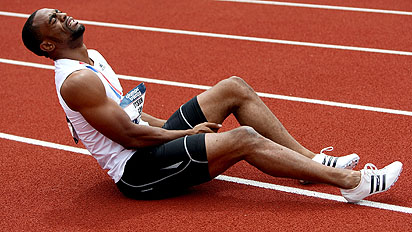 I was chatting with Nutritional Therapist Caren Richards again recently about nutrition and whether it can help to heal the body quicker post injury, here's what Caren had to say:
Despite the numerous health benefits of physical exercise, any form of activity does, unfortunately, increase the risk of physical trauma. Whilst your doctor / physiotherapist / chiropractor / osteopath will provide advice on the best way to treat your injury there are some dietary interventions that may help to optimise the body’s healing process. A qualified Nutritional Therapist can help you with a diet and supplements that are most appropriate for your specific injuries but here are a few ideas that might help.
Most injuries are accompanied by inflammation and although we sometimes perceive this as a negative reaction, it is actually a protective and restorative response by the body either to rid itself of foreign invaders or to repair itself. It is only when inflammation becomes excessive or uncontrolled that we may begin to see delayed healing.
Nutritional support to balance the inflammatory response include :
OMEGA 3 FATTY ACIDS: Both omega 6 and omega 3 fats are required during an inflammatory reaction and because the Western diet tends to be higher in omega 6 fats adding some more omega 3s into the diet can help to modulate the body’s response. So try to include some oily fish in your diet.
BIOFLAVANOIDS: Quercetin is a bioflavonoid found in onions, apples, black tea and red wine and it has been found to help to control inflammation by inhibiting enzymes that are involved in the metabolism of inflammatory markers.
HERBS AND SPICES: The addition of turmeric and ginger can help to modify inflammation as studies suggest that they may inhibit the release of inflammatory substances and limit the formation of pro-inflammatory mediators. Also beneficial are cayenne pepper and rosemary.
BROMELAIN: Bromelain is an enzyme derived from pineapple and has been found to be helpful for healing sports injuries. The proteolytic enzymes that it contains are responsible for clearing proteins and debris away from the site of the inflammation.
There are some foods that have been shown to be more likely to exacerbate an inflammatory reaction in some people so try to avoid or reduce your consumption of: junk foods, highly processed foods, trans-fatty acids, sugar, red meat and dairy.
Once the pain and inflammation are under control, tissue repair accelerates and can last for a minimum of 4-6 weeks. During this time, it is important to ensure that the body has the nutrients available that are specifically necessary for the repair of muscles, tendons, bones and joints.
AMINO ACIDS: Collagen fibres are made up of long chains of amino acids such as glycine, proline and lysine which are hydroxylated to form collagen. Research shows that the provision of a sufficient amount of amino acids is necessary to support collagen formation. Healthy proteins should be included in the diet and if necessary supplemented with a good quality whey protein powder.
VITAMIN C: Vitamin C is essential for collagen formation and its repletion and has been associated with improved clinical response to healing musculoskeletal strains.
MANGANESE: Manganese is necessary for the growth and integrity of all connective tissues that encompasses bone, cartilage, tendons and other structural tissues. This mineral functions in the antioxidant enzyme called superoxide dismutase (SOD) and has the ability to increase the level of antioxidant activity. After a trauma the body needs more manganese based SOD and without it cells are susceptible to damage and inflammation. Good food sources of manganese include brown rice, pineapple, cinnamon and raspberries.
ZINC: Zinc is required for hundreds of processes in the body including cell growth and like manganese it is also necessary for the proper function of antioxidant enzymes, such as the SODs found in the mitochondria and cytoplasm of cells. Zinc rich foods include meat, eggs, seafood, beans and nuts.
ANTIOXIDANTS: An imbalance in the ratio of oxidants to antioxidants can lead to the degradation of connective tissues and the structural components of ligaments are highly susceptible to oxidative damage. Therefore, inadequate anti-oxidant protection can lead to impaired ligament strength and healing capacity. Dietary antioxidants including the micronutrients vitamins C and E keeps these levels of damaging oxidants in check.
This is a snap shot of the benefits that clinical nutrition can have on the healing process. Supplements and specific dietary advice from a qualified Nutritional Therapist will help you to give your body the nutrients that it needs to repair itself, reduce your recovery time and get you back on the road / bike / water / tennis court as soon as possible!
For more information on healthy snacking or any nutritional topics, contact Caren via her website or email her at This email address is being protected from spambots. You need JavaScript enabled to view it.