Discover our top tips for training through Christmas

How many of us have let our training slip over Christmas and New Year period? I'm pretty sure all of us have at some point, but it doesn't have to be that way! I'm going to let you into a few secrets so you can keep training without disrupting social plans. Read on to discover why 2014 is the year you train through the festivities.

Tip 1: Schedule training sessions. Before the Christmas build-up begins, sit down with your online or paper planner and schedule in your training sessions. Perhaps you already do this? Don't let the habit slip over Christmas and New Year. Make a formal commitment to training, just as you would with other non-negotiable events. Schedule in club training sessions, time with your coach or Personal Trainer, and even those solo runs, rides and sessions which would otherwise be easy to forget.

Tip 2: Buddy up with a training partner. Do you have a training partner? If not, now's the time to find one! A like-minded, reliable training partner is invaluable particularly in these colder, darker months where social events are pulling at your priorities. Make concrete plans to meet your training partner at a certain place and time, and agree on the content and outcome of your training session. You won't want to let them down.

Read more: Discover our top tips for training through Christmas

Is Strava destroying your training?

Do you use Strava? Perhaps you know some people who do. There's plenty of positives about the social fitness site, I use it, but here's why I'm in two minds.…

Strava acts as a kind of online social hub for your fitness activities. You can upload training sessions, tracked by your GPS device, share them across other social networks, and compare yourself to training partners, total strangers, and even Pro athletes. Strava sets challenges, which you can compete in, racing against other online users.Gone are the days when we laced up our shoes, or clipped into our pedals, and set off for a training session. Today's triathletes have a habit of checking in, posting status updates and taking a selfie… and that's all before they've even left their front door! With this trend in mind, I wanted to discuss a social networking site which is polarising the fitness industry: it's called Strava. 

The positives: some people thrive on accountability and a little friendly competition. Strava is certainly great as a motivational tool. Lots of us love technology, widgets and gadgets to record the minutiae of training. And plenty of us like to share that information online with anyone who'll give it a "like".

Read more: Is Strava destroying your training?

Let's talk leg hair - do you wax, shave… or neither?

No topic is taboo here, so let's talk about hair removal (why not!) Cyclists and triathletes are famous (or perhaps that should be infamous) for hair-free, smooth legs. The men and the women! Why do we get rid of our leg hair, and does it really benefit us?

Triathletes' favourite methods of hair removal: Triathletes take their cue from cyclists when it comes to removing leg hair. After all, those guys have been at it for longer! There are three popular methods: shaving (quick, easy and cheap, but can be risky), waxing (painful, expensive, but long-lasting) and cream (smelly, and can sting - a lot!) Very hairy chaps tend to use clippers first, and then their final removal method of choice.

Why do cyclists and triathletes remove leg hair? To an outside looking in on our sport, it probably seems ridiculous, vain or simply bizarre. Why would we bother to remove our leg hair? Surely that's for ladies only? Well, no. In fact there are several very good reasons behind cyclists' decision to go hair-free.

  • It makes you faster: The benefit here is probably minimal, but it's all about marginal gains, right? Triathletes and cyclists know the important of aerodynamics. And if you've thought about shelling out serious cash on aero helmets and bike fitting assessments, a few quid on a disposable razor is a drop in the ocean.
  • It makes falling off less messy: If you've ever come off your road bike, you'll know all about the pain of picking grit out of leg hair. Having hair-free legs makes road rash easier to clean, less prone to infection, and actually lets it heal more quickly. And sticking plasters hurt much less when you pull them off a hair-free section of skin.
  • It keeps you cooler: This doesn't apply at this time of year, but keeping your legs shaved in summer (during our main race season) definitely does help your body regulate its temperature.
  • It makes sports massage easier: Your sports massage therapist will thank you for coming to the session with hair-free legs. They'll be able to work on your muscles more easily, and you'll find it a more comfortable experience as there won't be any leg hairs to get pulled, tugged and tangled.
  • It assists in the swim: If cyclists are known for shaved legs, swimmers go one step further and often shave their body and arms, too. It has both physical and psychological benefits: aerodynamics and that elusive "feel" for the water. Slipping through the water of a pool when you've shaved down for the first time feels very different.
  • It looks good! Come on… admit it… you just like the look (and feel) of having smooth legs. It tells people you're serious about your sport, and makes you feel more of a cyclist. It's OK. I won't tell anyone. We're all friends here!


 

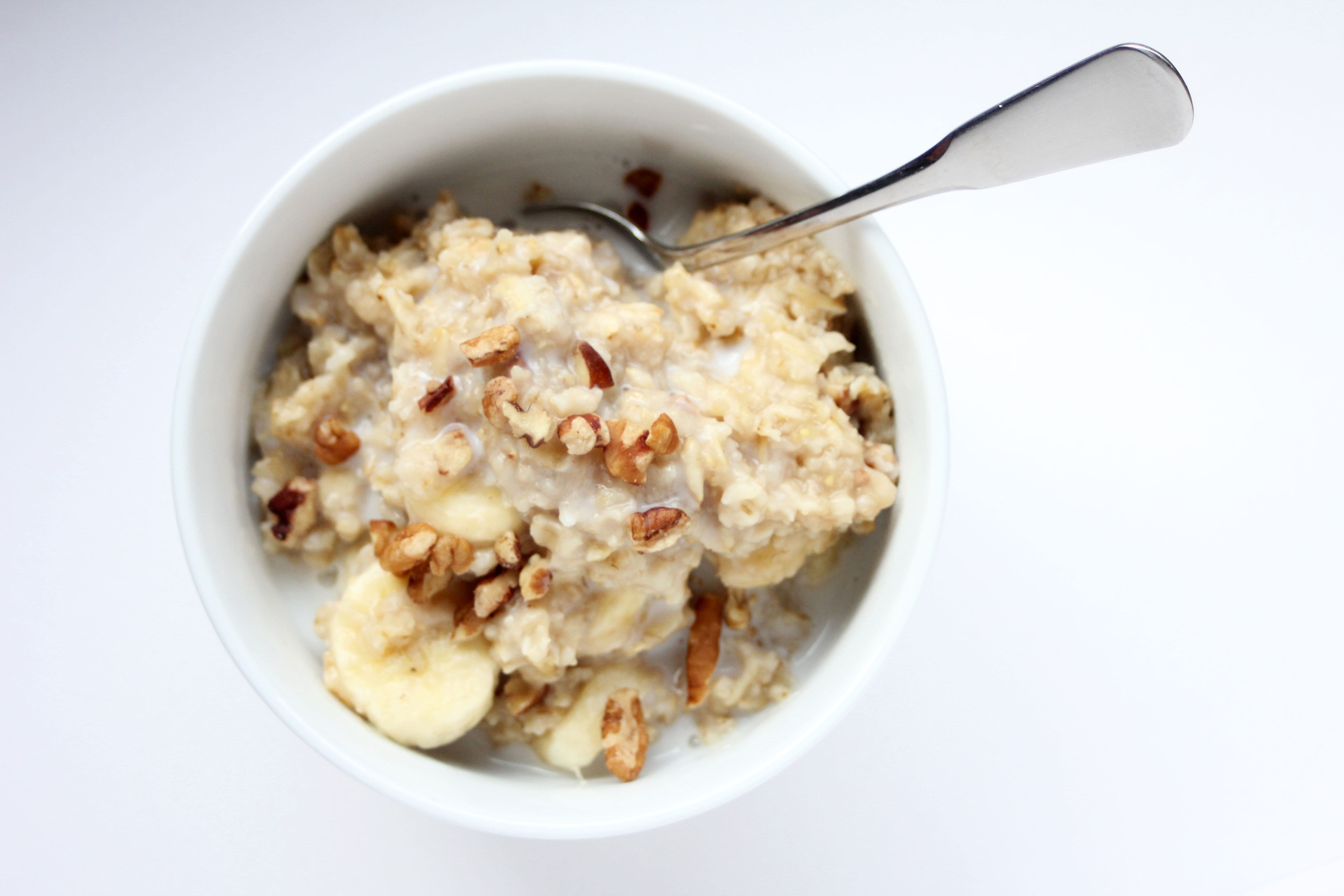
What to eat for breakfast???

Our good friend and super nutritionist Caren Richards has written an article exclusively for WhittleFit about the most important meal of the day - breakfast! Enjoy! 

As a Nutritional Therapist I can often tell a lot about a person’s overall diet by just looking at what they eat, or don’t eat, for breakfast.

What you have for your first meal of the day can influence the food decisions you make later on in the day plus it can impact on mood, cognitive function and physical performance. Some studies also suggest that the types of food that you eat for breakfast can affect your body’s metabolic reaction to the foods that you consume later in the day. In my opinion eating breakfast is a good idea and what you eat could be crucial to how you feel and function over the next 24 hours.

Read more: What to eat for breakfast???

Wattbike Cycling Improvement Program

Wattbike Cardiff

How would you like to improve your cycling power and performance over the winter months?

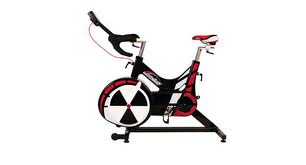
Well, our brand new 12 week Wattbike Cycling Improvement Program does just that! We use the state-of-the-art Wattbike to accurately train and test your power and track your progress over 12 weeks, in conjunction with a bespoke progressive training plan.

The Wattbike gives essential feedback on performance and monitors improvements. Each athlete will have an initial 20 minute threshold test and throughout the program this test will be repeated to ensure progress (you will get tested on Week 1, Week 6 and Week 12). This allows us to keep you working in the right training zones and get the best training response possible. These improvements on the Wattbike will then directly translate over onto the road ready for 2015.